Spotting leaks in commercial properties can be a major challenge, as pipework is often hidden within wall cavities, plant rooms, or underground.
In many cases, an unexpected spike in your bill or an unusual drop in water pressure is the first warning sign that there is an underlying issue.
Unresolved leaks don't just drain your bottom line - they can damage expensive machinery, disrupt daily operations, create health and safety hazards, and risk structural damage to your premises. Take a look at the guidance below on how to detect, report, and resolve leaks across your business or commercial site.
What to do if there is a leak on your business premises
Burst internal pipes or subsurface leaks can happen for many reasons, particularly during freezing winter conditions. As a commercial property owner or tenant, you are responsible for fixing leaks on your internal pipework and within your boundary lines.
To help identify whether your business has a leak - and where it might be- follow these easy steps below:
Step 1: Access your meter chamber
Locate your commercial water meter chamber. Remove any protective insulation or surface water that may have collected inside so you can clearly read the meter dial.
Step 2: Confirm you have the right meter
If your site shares a boundary or plant area with other premises, verify your meter by shutting off your external boundary tap and opening an internal tap on site. If the internal water flow stops, you’ve identified the correct meter.
Step 3: Take a baseline reading
Turn the main water supply back on at the meter, ensure all business operations involving water are temporarily paused, and record the exact meter reading.
Step 4: Perform a zero-use check
Ensure no water is used anywhere on site - including automated processes, irrigation systems, cooling towers, and bathrooms - for at least 30 minutes. Take another reading. If the numbers have advanced, water is escaping somewhere on your property.
Step 5: Isolate internal vs. external pipework
To pinpoint the location, turn off your internal main stop tap (isolating the building). Leave it off for 30–60 minutes without using any water, then check the meter again:
- If the reading changes: The leak is likely on your underground supply pipe between the meter and the building entrance (external leak).
- If the reading stays the same: The leak is likely within the building's internal plumbing (internal leak).
Step 6: Confirm clear results
If your meter readings remain unchanged throughout these checks, your supply line and internal plumbing are currently watertight.
Step 7: Arrange an urgent repair
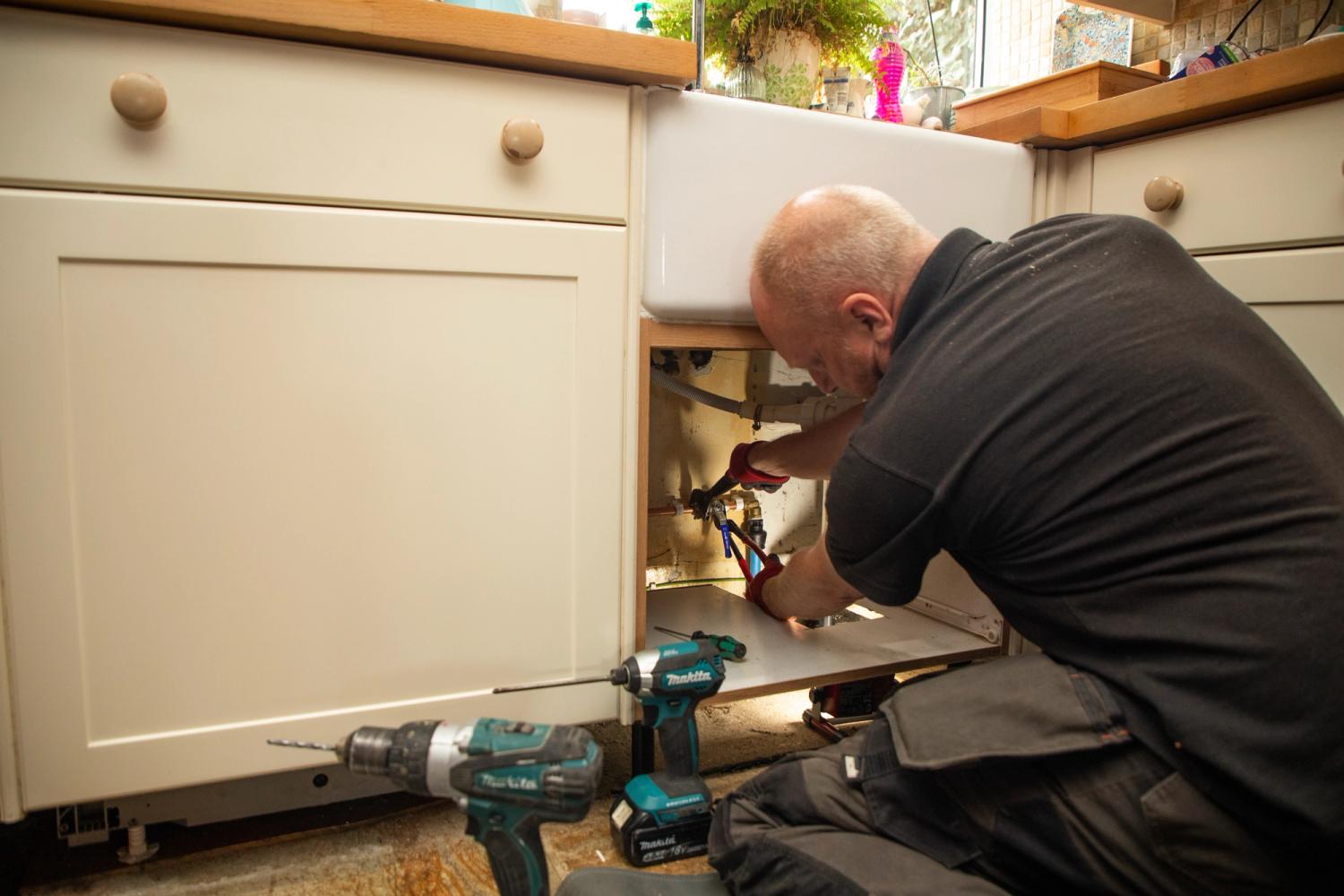
If you confirm a leak, arrange a repair immediately to prevent operational downtime, structural damage, or inflated water bills. We recommend using an approved commercial plumbing contractor or an accredited specialist via WaterSafe(opens in a new tab) or WIAPS.
What to do if you spot a leak in the street
Spotted a leak while out and about? First check if we know about the leak. You can do this using our live map(opens in a new tab). If you can't see the leak marked on the map, chances are we don't know about it. Watch our short video below to find out how to report it to us.
If the leak is severe or you have a water emergency please call our 24/7 emergency line on 0333 000 0365(opens in a new tab)
Leak allowance
If you find and fix a leak in your property within 14 days, you might qualify for a leak allowance. This reduces your high bill to cover the cost of water you've lost through a leak. We don't think it's fair you pay for water that you haven't used. Instead, we want to reward you for getting the problem fixed.
You must be on a water meter to qualify, as we will assess the allowance by reviewing the meter readings obtained by your retailer. You will need to contact your water retailer with information about the leak and any supporting evidence of the repair. They will then make a request to us for a leak allowance, and once they have received an agreed amount from us they should then make the relevant adjustment to your bill.
A leak allowance for high consumption on market meters may be given:
· If the leak is fully repaired within 14 days of it being identified by the Customer or Retailer or notified to the Retailer by us.
· If no leak allowance has been previously applied to the current retailer for the same supply point.
· If the leak was not caused through the negligence of the non-household customer or the retailer or their contractor(s), agent(s) or representative(s).
· If the leak occurs on the section of supply pipe outside any building.
· If the meter is not an internal meter. If you qualify for a leak allowance, we will adjust your charges in respect of the period between the latest meter read which recorded the high consumption due to leakage (the “High Consumption Read”) and the previous meter read.
The adjustment will be based on a daily average consumption calculated over a period of:
· 12 months from the meter read prior to the High Consumption Read or
· At least six months from the meter read prior to the High Consumption Read where 12 months of data is not available provided that an estimated daily average consumption will be used instead where there is some abnormal consumption during any of the periods referred to above or data for less than six months is available
Our work to find and fix leaks
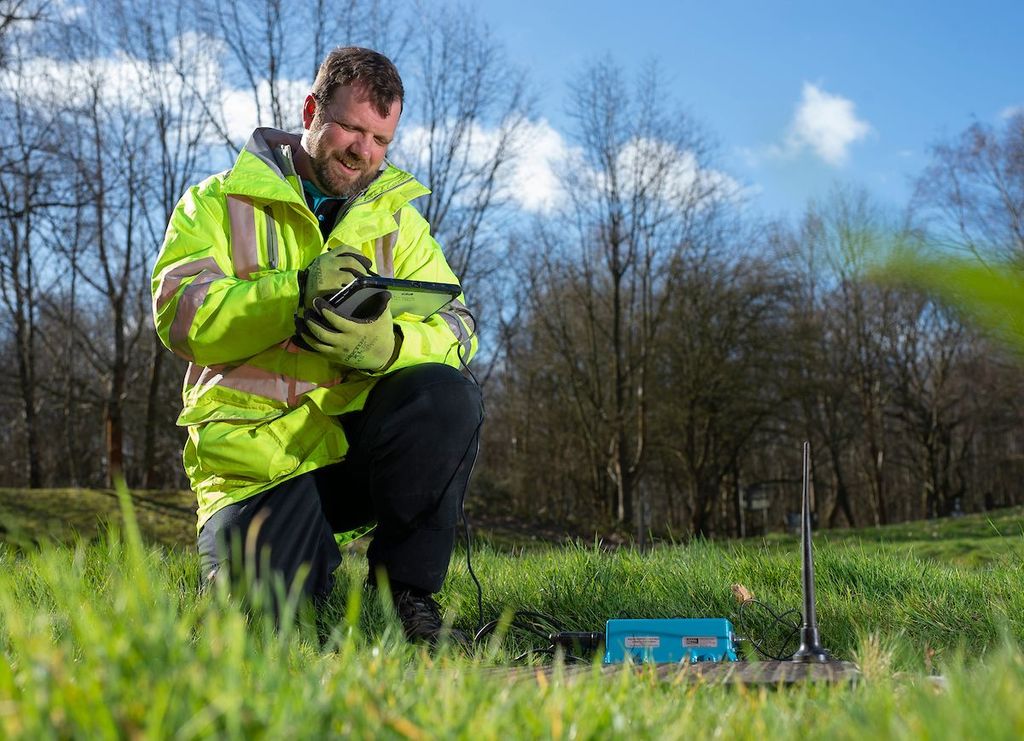
Our team of leak technicians work around the clock to make sure we're doing all we can to reduce and stop leakage. We're already among the top five water companies in the UK for our leakage performance, but we're always striving to do more. We spend around £63 million a year on finding and fixing leaks across the network and are committed to investing further to reduce the amount of water lost to leaks by half by 2050.
In the last year, we have found and fixed over 21,000 leaks on our network. This is around a 10 per cent increase on the previous year. We have more staff than ever finding and fixing leaks. In total, we have 400 people working on repairing leaks when they are reported, with a further 116 technicians searching for and finding leaks proactively.