All businesses depend on water, whether you're using it to power your operations or simply for your staff and customers.
With our changing climate, using water wisely isn't just about protecting our environment - it’s also about protecting your bottom line. By making a few small changes, you can lower your water bills and reduce the energy needed to heat water, all without affecting your day-to-day work.

Tap into wasted water
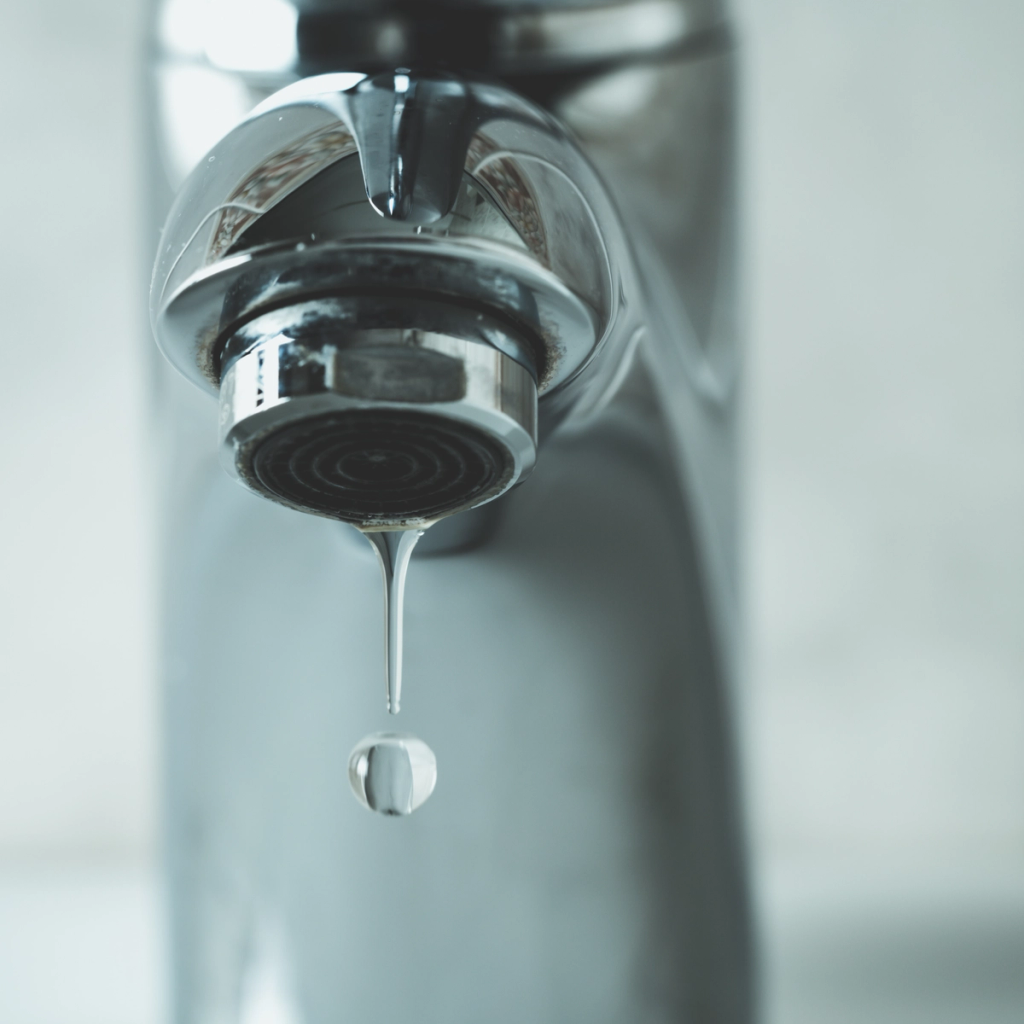
A dripping tap might not seem like much, but it can waste up to 5,000 litres of water a year! Fixing a dripping tap is a quick and easy way to save water in your business.
Sneaky leaky loos
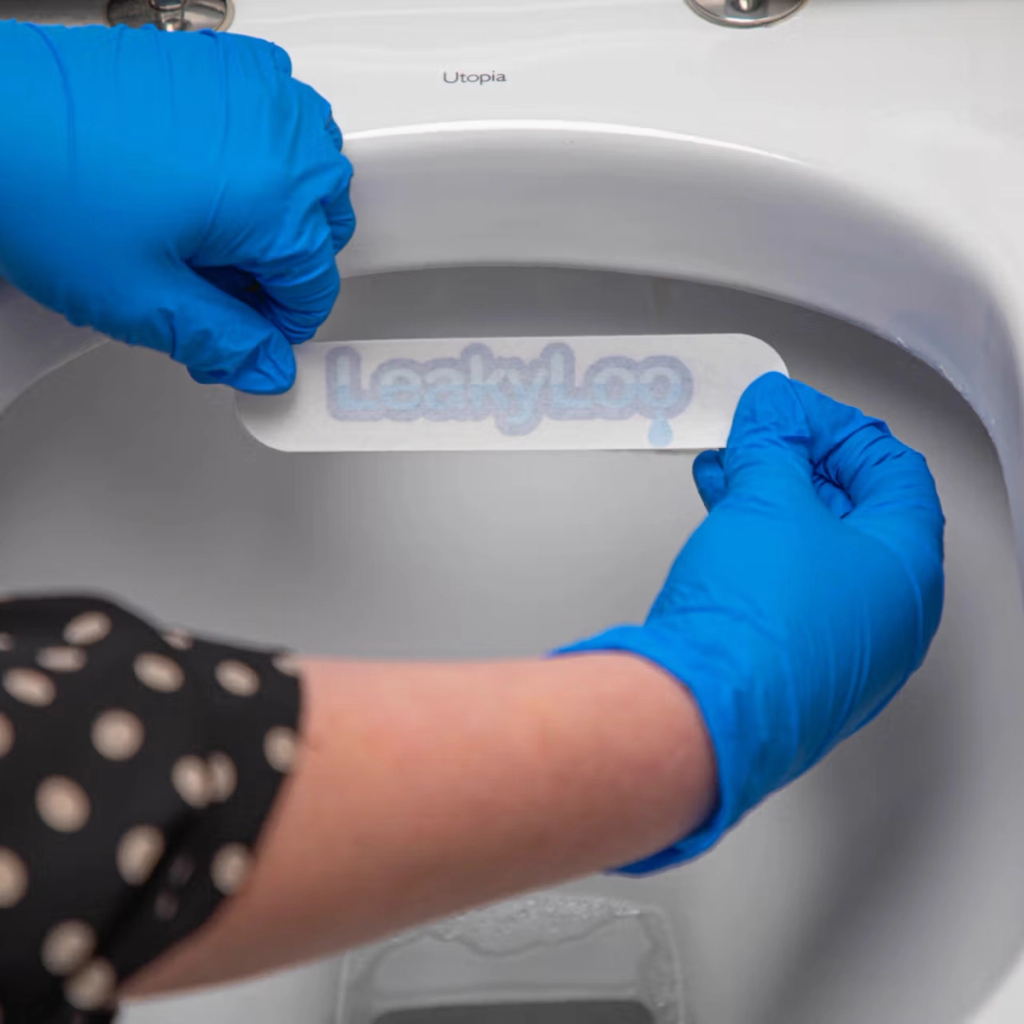
A sneaky leaky loo (or two!) can be costing you as much as 4 baths of water a day each. Order FREE LeakyLoo™ detection strips from us here, to check if your loos might have a leak.

Implement a water-saving plan
Encourage staff to think about how much water they use at work. Simple changes like turning off taps fully and telling you about leaks will make a big difference.
Updates about your water supply
The amount of water that people use each day changes depending on the weather, which can impact businesses. We usually supply around 550 million litres of water a day. In the summer months, this can go up to over 600 million litres a day.
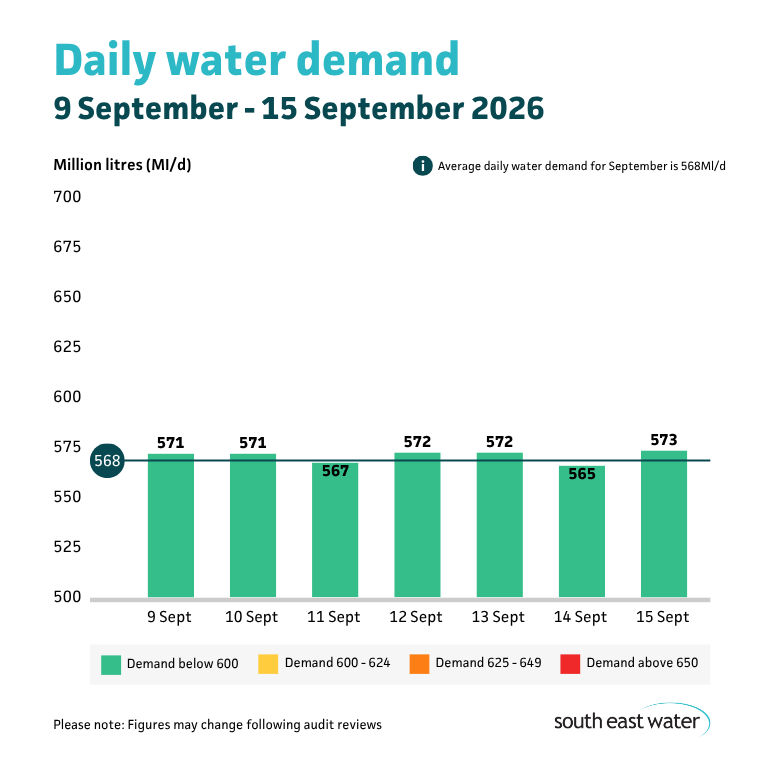
Help us keep the taps flowing
As the South East experiences another period of hot and dry weather, drinking water demand has risen significantly above average. To help ensure we can keep the taps flowing for everyone, we are calling on all businesses and non-household customers to use water extra wisely and reduce demand now.
Small, temporary operational adjustments in your workplace can make a massive difference in relieving pressure on our water network.
How your business can help right now
- Shift high-use operations: If possible, reduce or move high water-use operations outside of peak demand hours (7am to 9am and 4pm to 7pm).
- Review operational setups: Look for quick areas where temporary water savings can be implemented without impacting your core business.
- Engage your team: Reinforce water-saving practices with your employees and encourage them to report any workplace leaks immediately.
Important update: Temporary Use Ban (TUB)
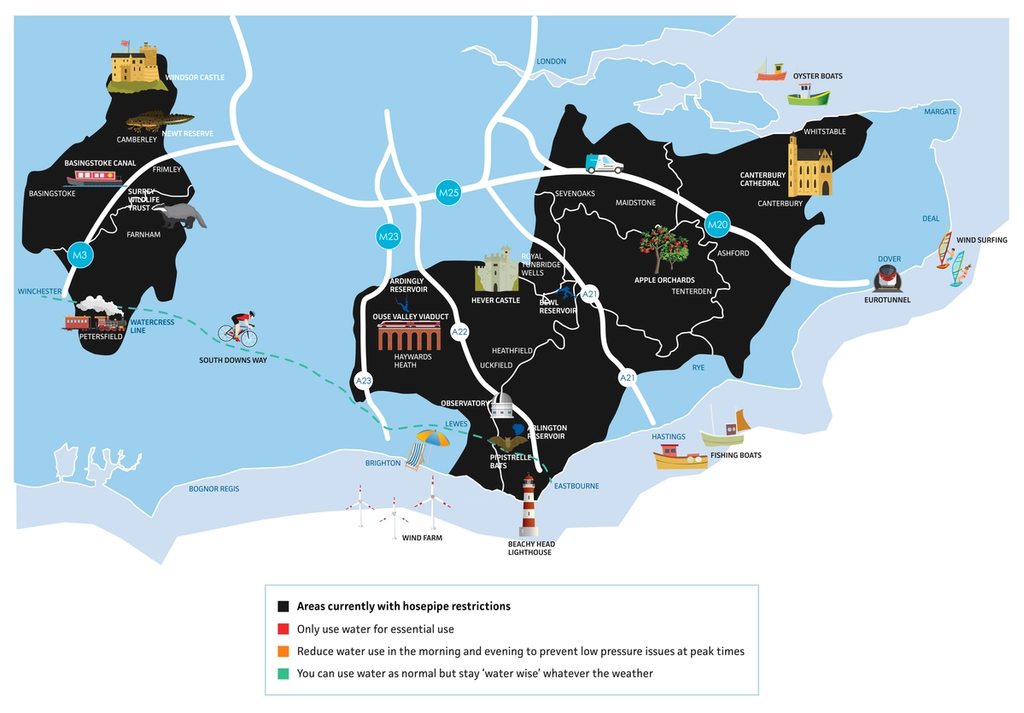
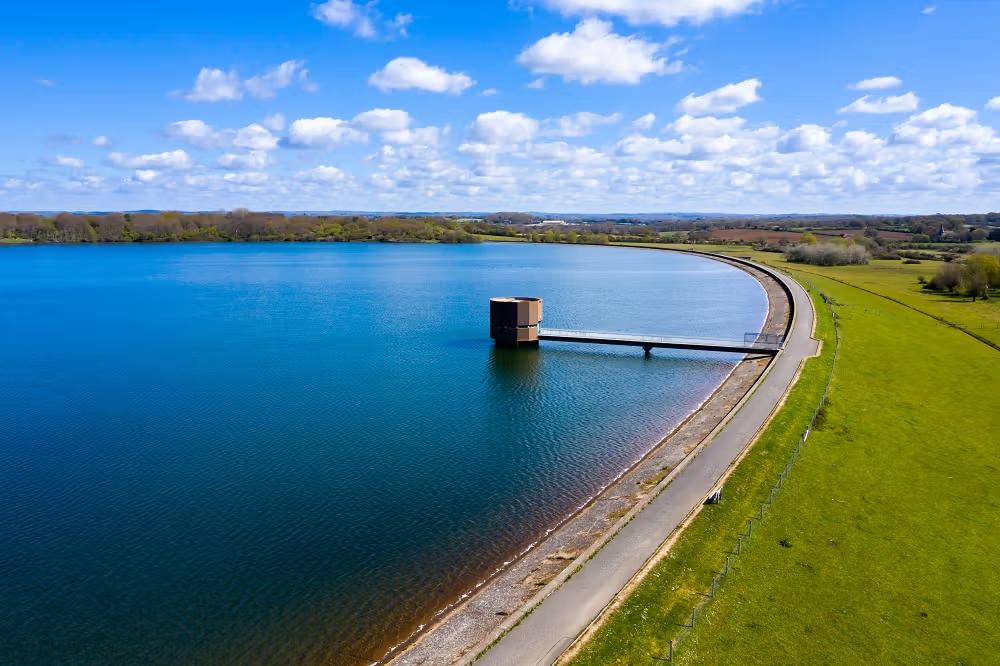
Due to lower than average rainfall, continued hot weather and high demand, we’ve started to see a decline in river levels and need to protect some groundwater sources, as well as seeing demand outstripping supply in some areas. This means we have Temporary Use Bans (TUB or hosepipe restrictions) in all our supply areas.
Many businesses can still operate using a hosepipe because at this stage we are granting exemptions, such as for car washes and window cleaners. This is to reduce the negative impact on businesses and to support the economy. However, the restrictions do affect some businesses if you use mains-connected hosepipes, pressure washers, or irrigation systems for non-commercial purposes.
Commercial exemptions:
We understand the impact of restrictions, so many exemptions are in place to allow genuine commercial activities to continue (such as commercial vehicle washing or watering plants grown for commercial sale). If you are affected, you can easily swap out hosepipes for manually carried buckets or use exempt water butt systems to maintain your daily operations.
To see exactly how the restrictions apply to your business, what alternatives you can use, and to view the full list of commercial exemptions, do have a look at our dedicated webpage.